 RU
RU
 EN
EN
 CN
CN
Belarus Imposes Strict Ban on Imports of Chinese Drinkable Jelly and Soy Meat
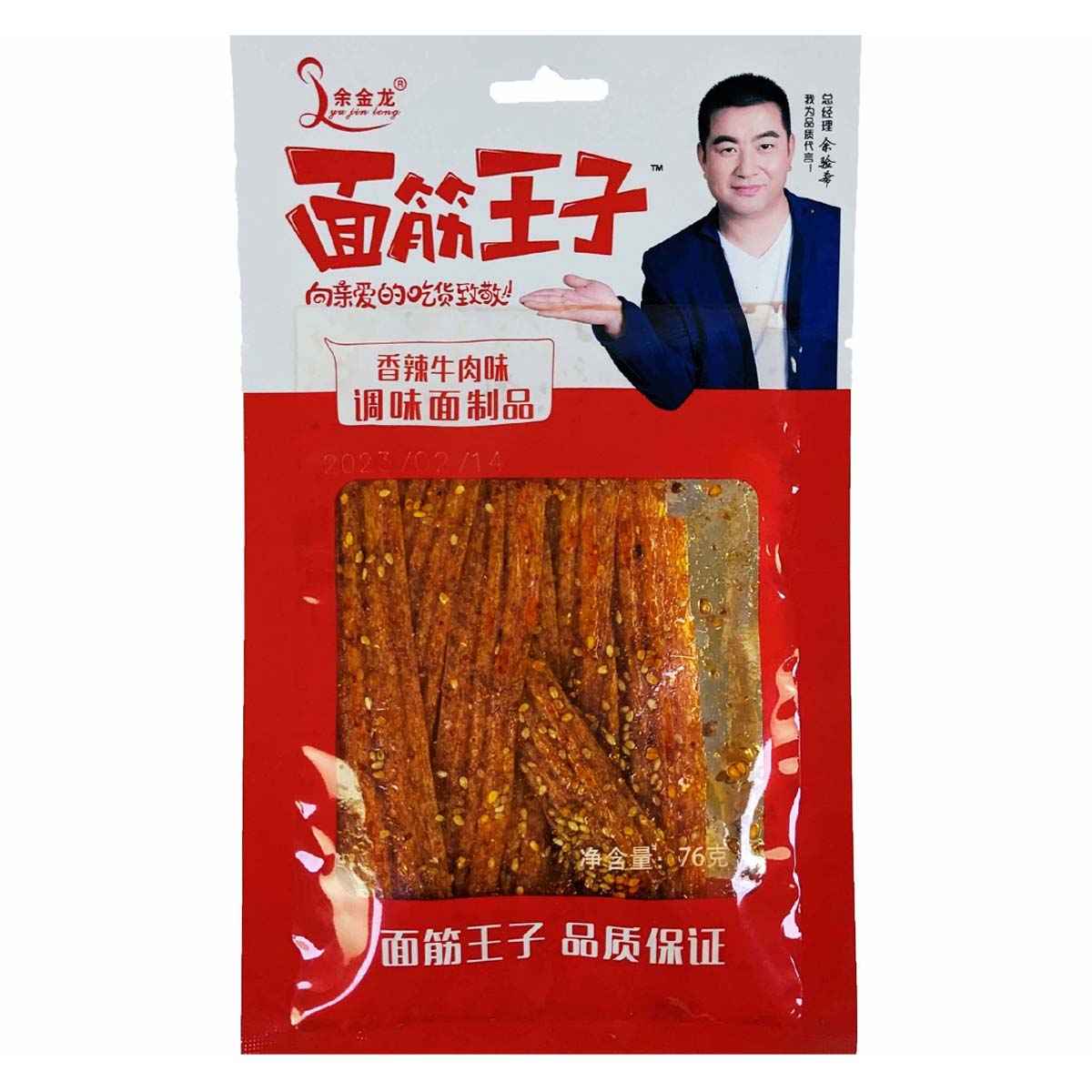
The State Committee for Standardization of the Republic of Belarus (Gosstandart) has decided to ban the import and sale of a number of popular Chinese food products within the country. The restrictions, which came into force on April 9, 2026, affected three types of drinkable fruit jelly and three types of spicy flour snacks, commonly known as "soy meat".
During inspections, it was found that the products did not comply with the requirements of the Customs Union's technical regulations "On Food Safety". Specifically, the drinkable jelly (lychee, green grape, white peach, coconut flavors) manufactured by Dazlian Zhenxin Canned Food Co., Ltd contained the flavor enhancer ethyl maltol (E637), which is not included in the list of additives permitted for this type of food production.
Similar violations were identified in three types of spicy flour strips under the Yujinlong brand (manufactured by Xiping Yangyang Food Technology Co.). All tested samples contained unacceptable food additives, and their technological purpose was not indicated. In addition, the packaging lacked the complete mandatory information about the manufacturer and ingredients in Russian or Belarusian.
Retailchina.pro Expert Commentary: This case serves as a crucial signal for all importers of food products from Asia. EAEU regulatory authorities are consistently tightening the filtration of imported sweets and snacks for compliance with internal certification requirements. The use of food additives (colorants, flavor enhancers, sweeteners) that are legal in the PRC but banned or restricted in the EAEU leads to an immediate sales ban. For Chinese suppliers and their local distributors, this means an absolute necessity for the legal adaptation of recipes and ensuring that Russian-language labeling fully complies with the technical regulations of the Customs Union (TR CU) at the production planning stage.