 RU
RU
 EN
EN
 CN
CN
Inflation and Markup Disputes: Georgia Discusses Retailers' Impact on Food Prices
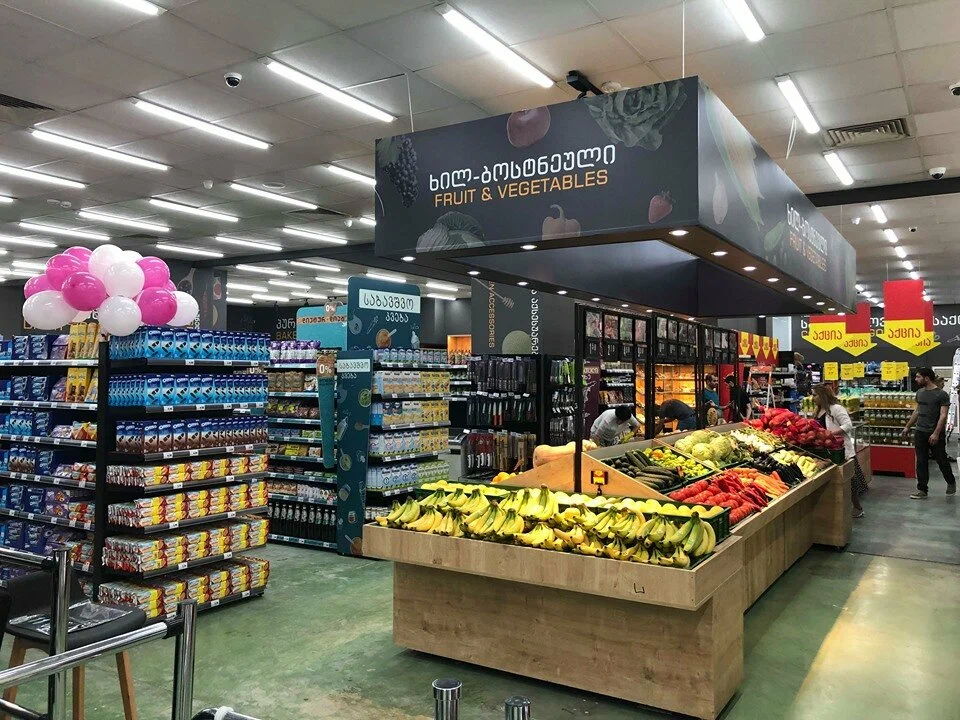
In April 2026, the National Statistics Office of Georgia (Geostat) published inflation data for March of the current year. In annual terms, the consumer price index stood at 4.3%. The main driver of inflation traditionally became the category of food and non-alcoholic beverages. According to official statistics, the highest price increases within the food basket were recorded for fish, fresh fruits, and meat.
Against the backdrop of the macroeconomic data publication, a public discussion has intensified in the country between local food producers and large retail chains. Representatives of the manufacturing sector state that a significant part of the final retail cost of goods is formed due to high supermarket markups. In addition, suppliers point to long delays in payments for sold goods, which can reach 45 days.
In turn, the Georgian Retail Association attributes the growth of final shelf prices to the rising cost of logistics and structural inefficiencies in supply chains on the side of the producers themselves. Representatives of grocery chains note that the stabilization of retail prices is possible subject to the comprehensive modernization of distribution facilities and the reduction of basic costs for transportation and storage.
Retailchina.pro Expert Commentary: The public discussion between suppliers and retail chains in Georgia reflects a natural stage in the development of the local FMCG market. Amid 4.3% inflation and the rising cost of basic products, retail networks are optimizing their financial models, including through payment deferrals (up to 45 days). For foreign food exporters, this is a clear market signal: when entering the Georgian market, longer capital turnover cycles must be factored into the financial model. It is also advisable to build direct logistics to the distribution centers of federal chains to avoid the additional margin burden from local distributors.